Mehr Explained: What It Is, What Is Reasonable, and Why It Matters
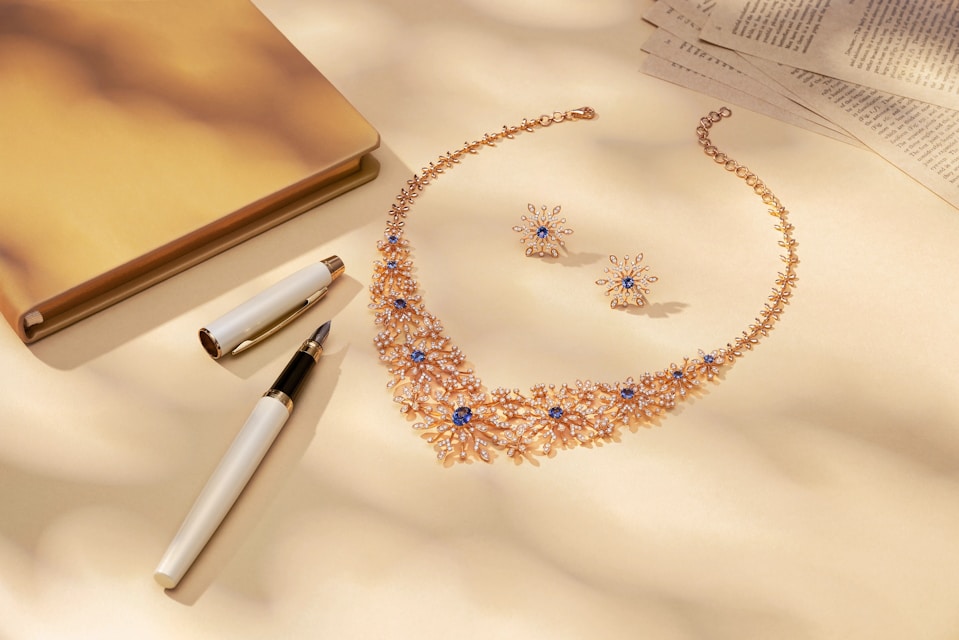
Ask what the mehr was at the last wedding you attended, and you will usually get one of two answers: a theatrical number no one ever intends to pay, or a token so small it fit inside the wedding card. Both answers miss what the mehr actually is — and both quietly cheat the one person it exists to honour.
This guide explains the mehr from the ground up: what it is, what it is not, how prompt and deferred amounts work on the Pakistani nikah nama, what "reasonable" means in a tradition that deliberately refuses to fix a number, and how to hold the conversation as part of the wider money conversations before the nikah.
What the mehr actually is
The mehr (mahr, haq mehr) is a payment or gift from the husband to the wife, made obligatory by the nikah itself. The Qur'an commands it directly: "And give the women their bridal gift graciously" (an-Nisa 4:4). It is not a fee, not a purchase, and not a courtesy — it is a right of the wife, owed to her personally, arising from the contract.
Three properties follow, and each one corrects a common cultural distortion:
- It belongs to her alone. Not to her father, not to the wedding budget, not to the new household's furniture fund. Whatever she receives is her property, to keep, spend, or invest as she chooses.
- It is a debt until paid. An unpaid mehr does not evaporate with time or familiarity; it stands as an obligation on the husband — and classically, it ranks as a debt of honour ahead of most others.
- It cannot be waived by anyone but her — freely. A wife may forgive part or all of her mehr, and the Qur'an praises genuine, uncoerced forgiveness. But forgiveness extracted by pressure, expectation, or a deathbed guilt ritual is not forgiveness in any meaningful sense. More on this below, because it is where the whole institution most often breaks.
What the mehr is not
- Not a bride price. The mehr goes to the bride, not her family — the direction of the payment is the whole point.
- Not the jahez's cousin. Dowry demands on the bride's family have no basis in the deen; the mehr is, in a sense, its exact opposite.
- Not a status announcement. A mehr chosen to impress the hall says nothing about a family's piety and plenty about its priorities.
- Not a formality. The signature-day habit of picking a number in thirty seconds because "everyone writes something" treats the contract's central financial clause with less care than families give a fridge purchase.
Prompt and deferred: how the nikah nama handles it
Pakistani practice, following classical fiqh, splits the mehr into two parts, and the nikah nama has columns for both:
- Prompt (mu'ajjal): payable immediately — at or around the nikah. This is the portion the bride should actually receive, in hand or in her account or as gold in her name, not a figure that exists only on paper.
- Deferred (mu'wajjal / ghair-mu'ajjal): payable later — on demand, at an agreed date, or falling due at divorce or the husband's death.
Both structures are legitimate, and a mix is common: a meaningful prompt portion paid at the nikah plus a deferred portion serving as long-term security. What is not legitimate is the widespread pantomime version — a large deferred figure written for public consumption, with an unspoken understanding that no one will ever pay or claim it. That is not a mehr; it is a stage prop with a Qur'anic obligation's name on it.
The deferred mehr deserves particular respect in one scenario families prefer not to discuss: divorce. A real, recorded deferred mehr is one of the few financial protections a Pakistani wife carries by default, standing between her and an empty-handed exit. Writing it seriously — and refusing the "forgive it as a parting gesture" pressure at the worst moment of her life — is not cynicism about marriage. It is the contract doing its job.
So what is a "reasonable" amount?
The shariah deliberately fixes no amount — a wisdom, not an omission, because a fixed sum would be crushing in one household and trivial in the next. The guidance that exists points toward moderation with substance:
- The sunnah's benchmarks were modest but real. The mehr of the Prophet's ﷺ own marriages and those of his daughters — often cited around a few hundred dirhams of silver — were meaningful sums for their context, neither ceremonial dust nor dynastic ransoms. The Prophet ﷺ discouraged competitive escalation in mehr, and scholars across the schools echo it.
- Reasonable = anchored to the husband's actual means. A working rule many scholars suggest: an amount he can genuinely pay — promptly for the prompt portion — that would still matter to him. A month's income wouldn't embarrass anyone; some families anchor to a customary standard within their means. There is no virtue in a mehr the groom must borrow for, and none in one his wallet wouldn't notice.
- Both failure modes fail her. The showpiece mehr fails through fantasy: an unpayable figure is an unpaid one, and everyone at the signing knows it. The token mehr fails through contempt: writing what amounts to loose change tells the bride precisely how the contract's authors weighed her rights. Reasonable lives between — a number that is real, paid, and hers.
- It can be non-cash. Gold, property, or another asset of defined value — classically even teaching Qur'an served where means were absent. What matters is definition and delivery, not denomination.
(Schools and family customs differ on details; where they matter to your case, ask your own scholar rather than settling fiqh by committee in the drawing room.)
How to have the mehr conversation
- Raise it plainly, at the serious stage. It belongs with the other structural conversations — not sprung at the signing table where no one can think.
- The bride's voice is not optional. It is her right being negotiated. A mehr settled entirely between fathers, with the bride informed of "her" number afterwards, has already violated the spirit of the thing.
- Name the split. How much prompt, how much deferred, and when the prompt portion actually changes hands. "We'll sort it out" is the first step of the pantomime.
- Put the real number on the nikah nama. The document is a legal contract in Pakistan; the figure it records is the figure a court will see. Writing a false low number to save tax or a false high number to save face both plant problems in the one document meant to prevent them.
- Then let it dignify the occasion. Families fear the conversation will feel transactional. Done plainly and early, the effect is the opposite — a groom who states what he will give, means it, and pays it has performed the nikah's first act of husbandhood in front of witnesses.
Frequently asked questions
Can the mehr be increased or paid later than agreed?
It can be increased after the nikah by the husband's free undertaking, and spouses can mutually restructure timing. What it cannot honestly be is silently ignored — an unpaid mehr remains a standing debt, acknowledged or not.
Is a very small, symbolic mehr valid?
Fiqh recognises even modest amounts as valid — validity is not the question. The question is whether a symbolic figure honours a right the Qur'an frames as substantive. Valid and worthy are different bars; aim at the second.
Does the wife lose her mehr if she seeks divorce?
In a khula, a wife may return some or all of the mehr as part of the settlement — that is a specific legal mechanism, not a blanket forfeiture, and cases differ. In a talaq initiated by the husband, the deferred mehr generally falls due. Real cases need a real scholar and, in Pakistan, awareness of what the nikah nama and family law actually say.
Mehr versus jahez — what does the deen require of each?
Mehr: obligatory, from groom to bride. Jahez as a demand on the bride's family: no basis, and a corrosive custom the deen's economics run directly against. A family that presses hard on incoming jahez while writing a pantomime mehr has reversed the tradition's entire direction of honour — which tells you something worth knowing during the wider money conversations.
A final word
The mehr is a small institution carrying a large principle: that a wife enters marriage as a party to a contract, with rights that have numbers attached, not as a guest in someone else's arrangement. Write a real number, pay it as agreed, defend her right to keep it — and the mehr becomes what it was revealed to be: the first promise of the marriage, kept first.
Begin with families who take rights seriously — search verified profiles on NikahFirst.
Every profile reviewed. Photos private until you connect.
Human-reviewed profiles, privacy by design, and free video verification — being discovered is always free.
Create a Free Account