
Marrying a Widow or Widower with Children: Questions and Assumptions
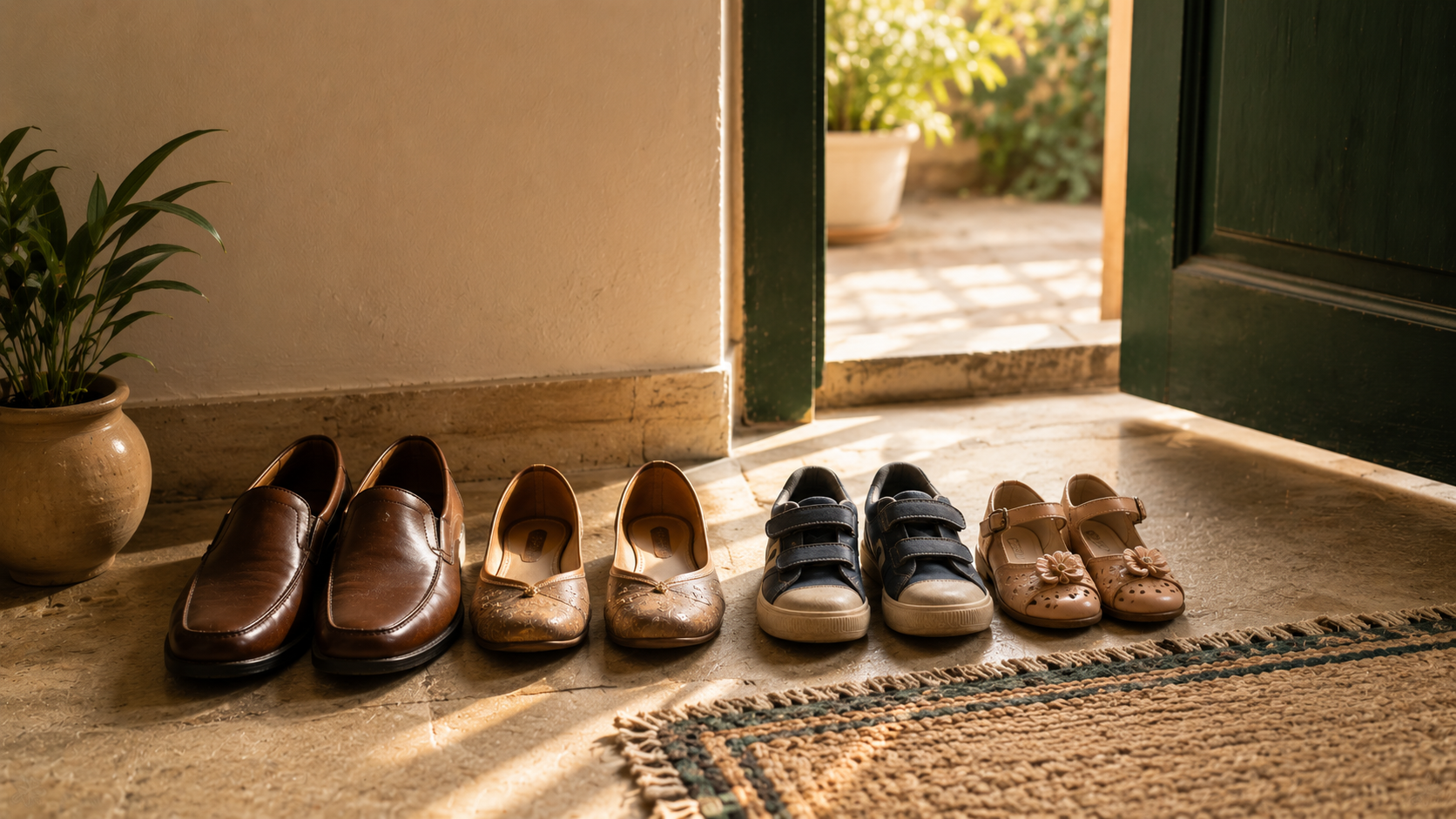
The Prophet ﷺ spent the greater part of his married life with a widow, and married several more. Caring for widows and orphans runs through the Qur'an and the sunnah as one of the clearest markers of a righteous community. Yet in practice, a widow with children in Pakistan often finds the rishta conversation goes quiet — and a widower with children often finds families offering him a housekeeper rather than a wife.
This guide is about doing it properly: the assumptions worth dropping, the questions both sides should ask, and the practical matters — children, guardianship, inheritance — that decide whether a blended household becomes a home. It is a companion to our guide on the search after divorce, which shares much of the ground.
Four assumptions to drop first
"They are looking for help, not a marriage." Sometimes true, and worth screening for — but applied as a blanket assumption it insults people seeking exactly what anyone seeks: companionship, partnership, a family. Ask what they want; do not decide it for them.
"A widow is unavailable emotionally — she is still married to a memory." Grief is not an obstruction to loving again; the two coexist in every widowed person who remarries happily. What matters is not whether the previous spouse is remembered — they will be, and should be — but whether the new marriage is being entered for itself.
"The children are a burden to be tolerated." This assumption is the single most common reason these marriages fail. Children are not a discount to be negotiated around; they are members of the household you are proposing to join or create.
"They should be grateful for any proposal." The gratitude framing is where exploitation begins. A widowed person retains every entitlement in the search — full mehr, real verification, a genuine veto.
Questions for the person considering the proposal
If you are the one proposing to marry a widow or widower, be honest with yourself first:
- Why this marriage? Because you want a partnership with this person, or because you have been told it is a good deed? Reward-seeking is a poor foundation; a marriage entered as charity is felt as charity for decades.
- Can you be a parent to these children — gladly? Not tolerantly. Willing-but-resentful is worse for everyone than an honest no.
- Can you live alongside a memory without competing with it? The late spouse's photograph on the wall, their family still in the children's lives, an anniversary that carries weight — a spouse who requires the past be erased will make the household unbearable.
- Are your own family ready? Will your parents treat these children as grandchildren? A groom's family that visibly ranks children is a problem to solve before the nikah.
Questions for the widow or widower
And if you are the one being proposed to:
- What is he or she actually looking for? Listen for whether a person is described or a function — someone to raise the children, run the house, care for parents. The caretaker proposal is common enough to screen for deliberately.
- How do they speak about the children — before meeting them? Curiosity and specific questions are a good sign. Vagueness — "children are no problem" — usually means no thought has been given.
- What do they expect to change? Where you live, the children's schooling, contact with your late spouse's family, your work. Assumptions here are the fault line.
- How does their family regard your children? The mother-in-law's attitude will shape your children's daily life more than almost anything else.
- Standard verification applies unchanged. Identity, marital status, employment, community reputation — the full due-diligence process. Grief and goodwill are not verification.
The children
- Their existence is not negotiable and should never be minimised. Any proposal premised on the children living elsewhere deserves the most serious scrutiny.
- Introduce them slowly and late. Only once the proposal is serious and verified. Children should not be paraded through a series of candidates.
- Do not expect instant affection. Children — especially those who have lost a parent — may be wary, testing, or grieving on their own timetable. The adults' job is patience, not a performance of instant family.
- Never force the "Abbu"/"Ammi" question. Let names and roles settle naturally; children resent titles imposed as loyalty tests.
- Discipline belongs to the biological parent, early on. A stepparent who arrives enforcing rules in month one builds resentment that lasts years. Warmth first; authority follows, if it is granted.
- Talk about how the late parent will be remembered. Photographs, visits to the grave, the grandparents' role, the anniversary. A household where the children can speak about their father or mother freely is a healthier one — and the new spouse's comfort with that is worth establishing before the nikah.
The practical matters families skip
These are the ones that cause real hardship when left vague:
- Guardianship and custody. For a widow's children, guardianship questions and the paternal family's role vary by circumstance and by the courts' assessment of the child's welfare. Where there is any complexity — especially if relations with the late husband's family are strained — get proper legal advice rather than an uncle's opinion.
- Inheritance. Children inherit from their deceased parent under fixed Islamic shares, and that property is theirs — to be preserved and managed for them, not absorbed into the new household's finances. A stepparent does not inherit from stepchildren, nor they from him, absent a valid bequest. Where a widow received her own share, that too remains hers.
- Financial responsibility for the children. Maintenance, schooling, and who bears what — stated plainly during the money conversations. Generosity freely offered is a beautiful thing; an unspoken assumption in either direction is a future grievance.
- The late spouse's family. Grandparents' access, existing support arrangements, and expectations at family occasions. These relationships usually should continue — the children's grandparents are not an inconvenience — and the new spouse should know the shape of it going in.
- Mahram status and household arrangements. Once the marriage takes place, the relevant mahram relationships change for some household members and not others — worth confirming the specifics with a scholar for your household, particularly in joint-family settings.
For the families arranging it
- Do not present the marriage as a rescue. It frames one party as a beneficiary permanently.
- Do not press the mehr down because "it is a second marriage." Nothing in the deen supports it.
- Do not treat the wedding as something to be conducted quietly out of embarrassment. A modest celebration is fine — the sunnah encourages it — but the modesty should come from principle, not shame. The wedding-cost logic applies here at its best.
- Give the couple time. Widowed people are often hurried into decisions by families anxious to see the situation resolved. Verification and readiness matter more here, not less.
Frequently asked questions
Is there a waiting period for a widow before remarrying?
Yes — the iddah for a widow is prescribed and differs from that of a divorced woman, with a separate rule if she is pregnant. Confirm the specifics for your situation with a scholar; a nikah cannot be contracted before it is complete.
Is marrying a widow considered especially virtuous in Islam?
The tradition holds the care of widows and orphans in very high regard, and the Prophet's ﷺ own example is decisive against any stigma. But virtue is a reason to drop the prejudice, not a reason to marry someone you do not actually want to marry. The best of these marriages are entered as marriages, not as good deeds.
How soon should the children meet the new spouse?
After the proposal is serious and verified, and before commitment — but gradually, in low-pressure settings, and never as a one-off audition. How the adult behaves across several ordinary meetings is far more informative than a single arranged encounter.
What if the children are opposed?
Take it seriously without granting a veto to a grieving child. Explore what the opposition is actually about — fear of replacement, loyalty to the late parent, a specific dislike — and address it with patience and, where warranted, help from someone they trust. Rushing past it, or marrying to spite it, both tend to end badly.
A final word
A widow or widower with children is not a complicated case to be managed; they are a person with a history and a household, seeking what everyone in the rishta process seeks. Ask real questions, verify properly, plan the practical matters in the open, and let the children set their own pace — and these marriages become what the tradition always regarded them as: entirely ordinary, and quietly among the best.
Search with dignity and privacy on NikahFirst — human-reviewed profiles where every family can state its situation honestly.
Every profile reviewed. Photos private until you connect.
Human-reviewed profiles, privacy by design, and free video verification — being discovered is always free.
Create a Free Account